

Not Only a Lice Story
“Are these nits?” my mother-in-law said as she braided my niece’s hair.
“She might have dandruff,” said the father of the little girl with the beautiful thick mane.
It was a slow Saturday morning in the South of France, the first day of an eight-day trip to celebrate my mother-in-law’s milestone birthday. My husband Manu and his two siblings planned this vacation, and I didn’t have much say in it. Going on this vacation fell under the umbrella of compromise, one of those marital negotiations that leave you with no real alternative but agreement. It took them two years of mild bursts of energy to agree on dates and a place. By the end, both their wives didn’t even make the trip, and I was the only “plus one.” It’s hard to complain about having to go on vacation, but there I was, grumpy, eating a tartine for breakfast at noon, my body not yet used to the French time zone.
“She did have lice last week. We treated them with shampoo before leaving. The nits are probably just empty shells,” my brother-in-law confessed, without the air of an admission.
I tried—and probably failed—not to look disgusted. Eyes wide open, tight lips, I gasped. Nits? Lice? I doubted that one shampoo was enough to eradicate the parasite.
“Her scalp is often irritated,” my mother-in-law said in a nonchalant way, as if to deflect any tension. I put my tartine down on the table, leaned back on my chair, baffled. I scratched my own head, an inevitable reaction when someone says the word “lice.” I wasn’t a true germaphobe, but crawling insects on a scalp didn’t exactly inspire relish. I had vague ideas that lice meant constant laundry, endless combing. As it was, I could hardly brush my daughter’s hair without her crying.
“Girls! Don’t come too close to each other,” I cautioned my four-year-old daughter, whose curiosity had brought her closer to her six-year-old cousin.
I cleaned up my side of the table, pushing baguette crumbs into my hand. My husband’s sister was already preparing lunch.
“It’s gonna be a hot and sunny day,” she commented, looking by the window.
Picture a peaceful domestic tableau—a grandmother brushing a young girl’s hair, another girl reading on the couch, breakfast dishes, the kitchen humming—the sun peering through the small windows of the old farmhouse, bric-a-brac everywhere, making the rental feel homey even though we had only arrived the night before. Why was no one freaking out? I only knew how to be my usual agitated, anxious, slightly paranoid self; in my mind, I ran a list of ways the infestation could ruin, ruin, this vacation—one I hadn’t even chosen. In more than ten years of marriage, I’d learned that Manu’s family rarely yelled when something went wrong. Their casual mood clashed with my internal panic.
“Who wants to go to the market with me?” asked my mother-in-law. I leaned over my niece’s hair, which was now pulled into a tight, beautiful braid. Everything looked fine, for now. Maybe the little white flecks were just, indeed, empty shells.
After the weekend, I visited the only pharmacy open on a Monday in a small village in Dordogne. I was born in France but had lived in the US for more than a decade and forgot about the slower schedule, more attuned to a lifestyle where people take a two-hour break for lunch, sharing a meal with coworkers or friends, sometimes indulging in a glass of wine in the middle of the day. After moving to Boston, I started going back to my home country more regularly once my daughter was born in 2021. I realized the pull of family was stronger than I’d thought: I wanted my daughter to connect with her extended family, to feel that she belonged.
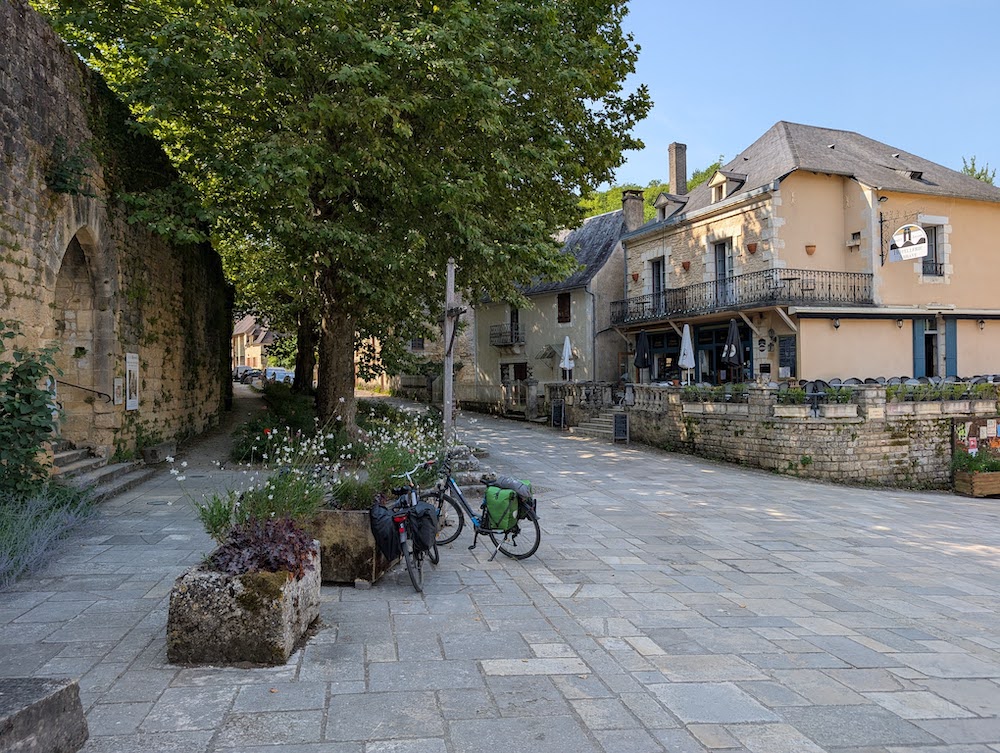
I’d never been to this region, also known as Perigord, famous for its prehistoric heritage and medieval villages. But instead of thinking about sightseeing and relaxation, I was asking the clerk about lice. He walked me to an entire shelf of anti-poux products.
“The treatments are no longer chemical like they used to be,” he explained, referring to my own childhood in the ‘90s.
My mother told me I’d had lice once, but I must have been very young; I had no memory of it. What I remembered instead was my mom combing my youngest sister’s dark hair while she cried. The comb had a tiny magnifying glass on one end, but I never saw anything with it. Lice remained a mystery, a major invisible inconvenience.
“Shampoos are now made of oils that suffocate the lice. Do a shampoo every seven days until total eradication. Seven days gives the lice time to mature and lay new eggs.”
I marvelled at the promise of “eradication” and bought the shampoo, plus two combs with fine, dense teeth. I sent a group message—courtesy de rigueur: “Better blast everything, just in case. Lol.” I got a thumbs-up as a response. Before leaving, the clerk told me to be careful not to swim in stagnant water. “Traces of polio have been found in some ponds nearby.”
I don’t want to stereotype my home country, but was I back in the Middle Ages? Weren’t these things from the past? I became deeply involved with getting to know more about lice and polio.
Back home, Manu, picking up on my anxiety, checked his niece’s head. Standing in the courtyard covered in white pebbles, the little girl sat on a chair as he searched her hair.
He found one.
“What do I do with it?” he asked his older brother, who proceeded to comb his daughter’s head. My brother-in-law removed seven lice, crushing them between his fingers once he found them. They both commented on how visible they were (the size of a sesame seed—as I learned the night before through intense Googling).
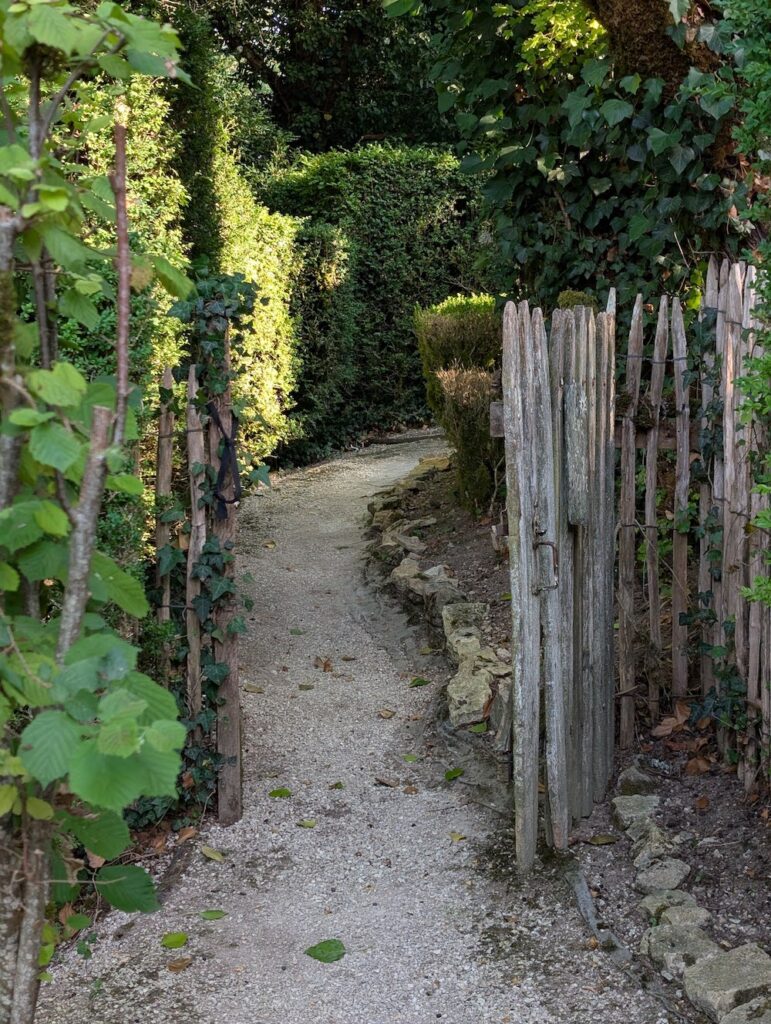
Peeking over his brother’s shoulder, Manu marvelled, “They’re translucent!” I didn’t dare look at them. I was sitting at the far corner of the courtyard, at the outdoor table, shaded by plants. The setup was idyllic, if you didn’t look too closely.
In addition to the seven little parasites, they found more eggs, cemented to the hair. I was brewing on my side, mad that my husband’s brother didn’t warn us in advance about his daughter’s hair situation—we might have cancelled this vacation, that would have been an acceptable reason! Or at least, find another accommodation, by ourselves, isolated from any potential threat.
I imagined our own little cottage, the A/C blowing fresh air. I could walk to a bakery or a small café and not have to talk to anyone who might overinterpret my resting face. No need to offer updates on my stagnant professional life, or my unease about the personal. I’d choose something more modern—no spiders in every corner. Did I even like rustic charm?
Manu checked our daughter’s head. He didn’t find anything—a temporary relief. We shampooed her hair anyway. Combed through her hair one more time. Both girls had shiny, perfectly combed hair. Could I finally relax? In the months leading to this holiday, I anticipated annoyance at my in-laws’ quirks, the way they talked about certain things, comments about my appetite and my looks—regular, normal frictions I could tolerate in small doses, but not in close quarters, and not with lice added to the list of stressors.
One night, Manu and I went grocery shopping for the whole group. When we came back, my daughter played with her cousin in the yard. They laughed and played pretend. No grown-up was paying close attention to them.
“Can we go for a swim?” I asked my mother-in-law as we dropped all the bags in the kitchen.
“Sure, enjoy your time!” she said. Grandma prepared dinner with her daughter and her son, while my husband and I had the pool by ourselves.
“Are we terrible guests? Not helping for dinner? They might not invite us again,” I said jokingly.
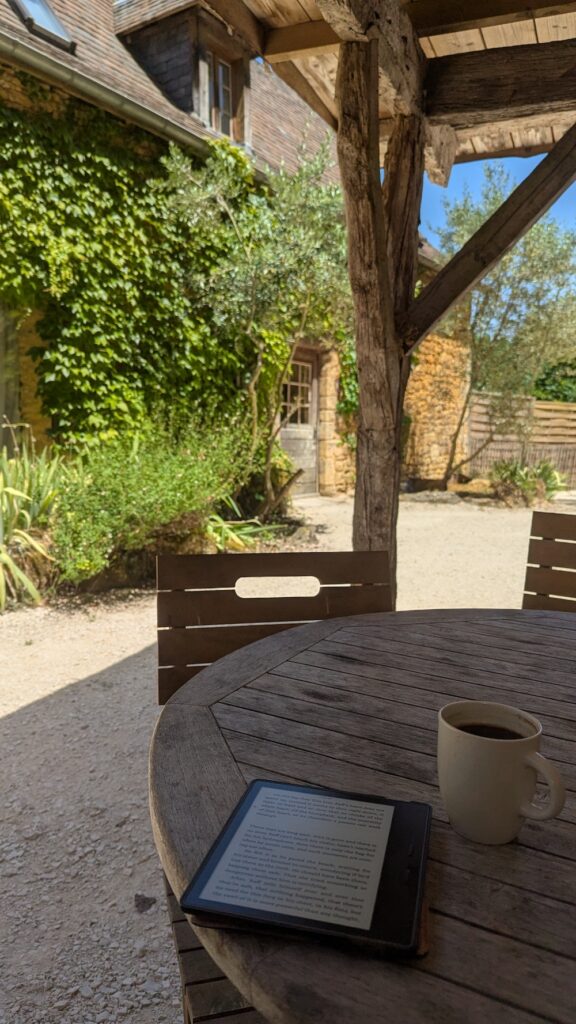
The house we stayed at was an old farm with thick walls. The lack of AC didn’t matter, and I read late at night in the kitchen, which stayed cool. My mother-in-law closed the large wooden door so bugs wouldn’t enter.
“Do you like your book?” she asked. I told her about this dire story of a family stranded on an island. She listened, asking more questions about the characters. The conversation was easy, her presence comforting. She then told me about a vacation that went terribly wrong, decades ago—everyone got sick, her three kids, her husband. “Bronchitis. They were all bedridden,” she said. “That’s life in the community. You never know what’s going to happen.”
My mother-in-law was retired, but she cared for her 97-year-old father with the help of her four siblings. She was a family person, relying on others for grocery shopping or help filling out her taxes. She had lived in the same region her whole life. Did she always get along with everyone? How did she navigate so many relationships without burning bridges, as I was used to?
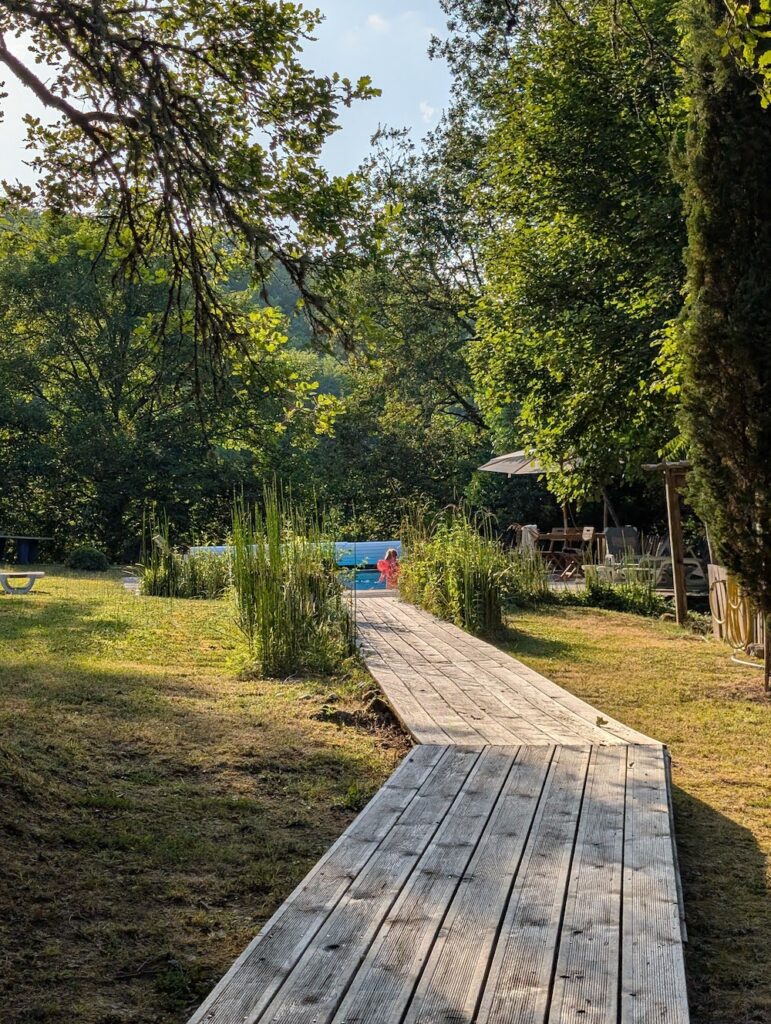
For the last day, I asked to stay on my own by the pool, while everyone else went to visit a historical garden. My precious solitude. I opened the small wooden gate that led to a pathway to the hidden oasis by the trees. Large trees brought shade to the swimming pool. I spent thirty minutes removing the bugs from the surface, a strangely meditative activity. When I was done, I plunged in. During the European heat wave, being immersed in water felt like the only way to cool down. I floated on my back.
Are lice able to swim? Oh well...
The water and the sun felt good on my skin. Would it be so terrible to get lice? Later, everyone returned from their visit and wanted to dip in the pool. I saw my niece approach the water, her hair loose and in tangles.
“Do you want me to put your hair up?” I asked.
The little girl confided as I brushed her hair, “We’ve done lots of shampoos over springtime, but the lice always come back.” She seemed confused. Ashamed perhaps too. Did I make her feel less by talking so much about the lice?
“Your hair is shiny and gorgeous,” I added. “Allez, let’s jump in the pool!”
Back in Massachusetts, I checked my daughter’s head. I didn’t pack the shampoo in our suitcase. I hope the US version of anti-poux would be ten times more aggressive—indeed, the shampoos in the US are based on insecticides, banned in Europe. My daughter’s hair was clean, my husband was at work, and I felt the peace of life abroad with our small nuclear family. I sent a picture to my husband’s family group chat. “No lice!” They shared pictures and news about their daughter at a sailing camp, her first sleepover. No mention of her own hair situation.
Sitting alone in a coffee shop in my neighborhood, I learned online that the CDC estimates six to twelve million head lice infestations annually in the US, mostly on children. I pictured lice going from head to head, from hat to cap at my niece’s camp, yet, with a sense of longing – for summertime and childhood, for a time where life together meant risking getting lice.
Before we left, my mother-in-law asked if we’d come for Christmas, and I’d say no, listing all the obstacles. In that coffee shop, back to my beloved routine, I wondered if it was the right choice. I still had time to reconsider.
About the Author

Mathilde Piton is a French-American writer based in Somerville, MA. She has published several travel books in French, and her first memoir, Broken Pussy, about infertility and solitude, will be released by Larousse (in France) in September 2025. Her essays in English are forthcoming in WBUR’s Cognoscenti and The Boston Globe.
Related Posts

Conversations on Having an Only Child →

Madre and the Ritual of Grief →

A Portrait of the Mother as Love on Fire: Death, Forgiveness, and Abolition (part II) →
